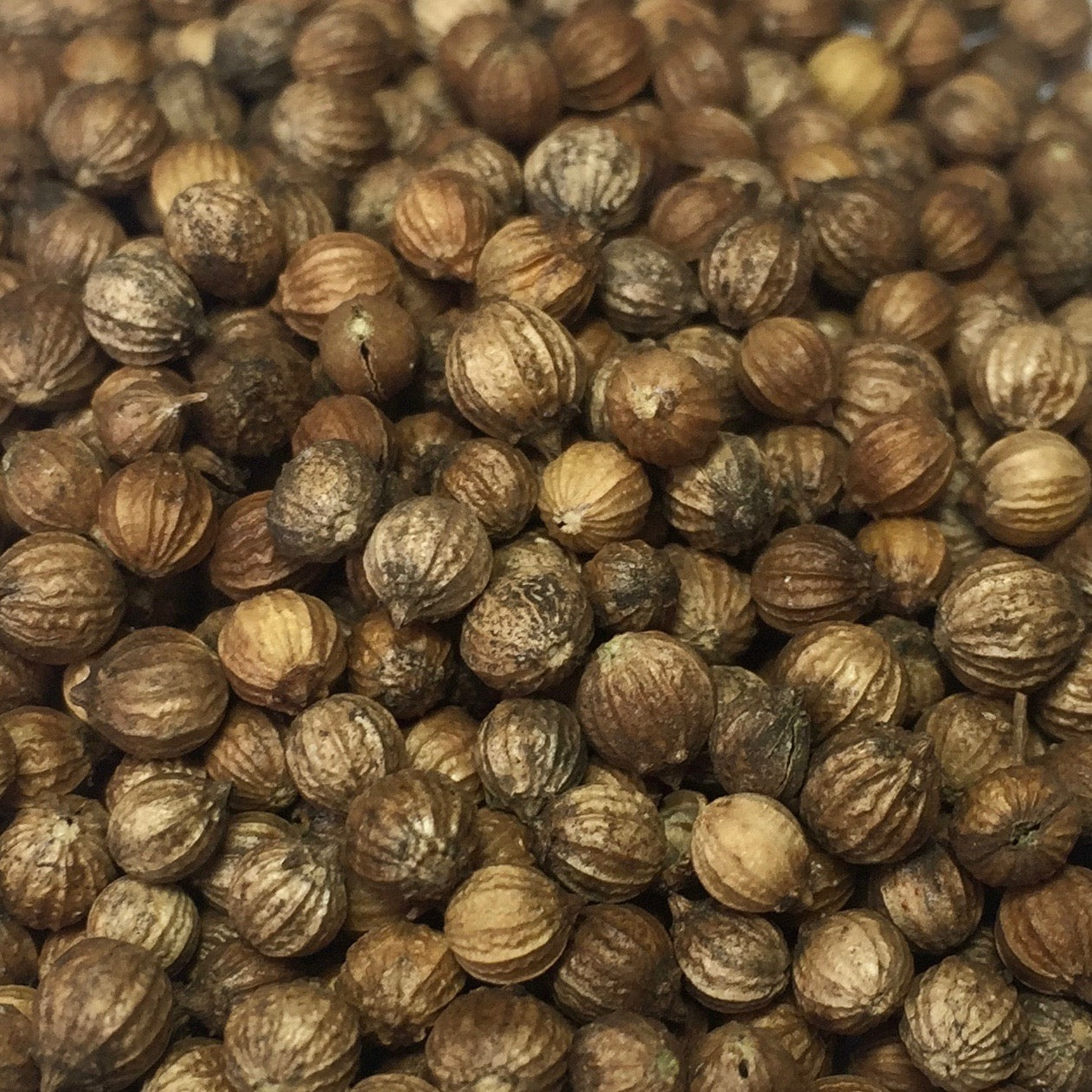


Cilantro, Slow Bolt (Coriandrum sativum)
List Price:
Couldn't load pickup availability
Cilantro is a well-known and somewhat polarizing culinary herb, with its seeds serving as a very different spice in their own right, Coriander (though in England the leaves are perplexingly referred to as Coriander as well). Either loved or loathed, this plant elicits intense reactions— for some, it may be an acquired taste, others, a taste reminiscent of soap and something to avoid. There is research underway to determine if an aversion to Cilantro could be linked to a genetic predisposition. The word ‘coriander’ is derived from the Greek ‘koris’ for ‘bug,’ on account of its pungency.
The culinary history of Coriandrum sativum is thought to extend back to the sixth millennium, as one of the first domesticated plants. It plays a prominent role in cuisines from the Middle East, North Africa, Europe, and Asia. Seeds of this herb were found in the 8000 year old Nahal Hemar tomb in Israel, and some were even found scattered in King Tuthankamen’s tomb. There are references to Cilantro in ancient biblical, Mesopotamian, Egyptian, and Sanskrit texts, as well as in medicine writings of Dioscorides. The Greek playwright Aristophanes references the tender plant in his works, as does Roman gastrinome Apicius in his book ‘Of Culinary Matters.’ In traditional Indian Ayurvedic medicine, Coriandrum sativum is referred to as ‘kustumvari’ and is used for purification and digestion. Coriander often shows up as a love symbol, and has been utilized throughout Chinese history in love potions. Though this herb has taken on a cultural significance in Southwestern and Latin American cuisines, it did not make its way towards the Americas in the 1600s, carried there by Spanish conquistadors. Now a necessary and ubiquitous culinary plant worldwide, Cilantro does better in cooler temperatures, and cutting back flowers can allow its growing time to last for all the season.
In recent years, there have been many recalls of industrially produced Cilantro that tested positive for salmonella (an irony given that this plant has been shown to have antibacterial qualities). This is usually the unfortunate result of lack of proper bathroom or washing facilities for overworked laborers. The best way to ensure that your citrusy herbal addition is containment-free and isn’t contributing to mistreatment of workers is rather simple– buy some seeds and grow your own!